ads
Access to credit is one of the most important tools for economic growth in any country, and in Kenya, it plays a central role in the lives of millions of citizens. With technological advancements and the penetration of mobile phones, the lending sector in the country has undergone a true revolution. Fintech apps and digital solutions have made it easier to access quick money, even for those without traditional bank accounts. However, this convenience comes with risks—many consumers end up in unmanageable debt, often without a clear understanding of the fees and terms.
This article provides a comprehensive overview of the loan market in Kenya, analyzing the main types of available credit, their benefits, the challenges faced by users, and current trends. We will also offer practical tips for those seeking credit in a conscious and sustainable manner.
1. The Growth of the Credit Market in Kenya
Over the past 15 years, Kenya has emerged as one of the most innovative countries in the world regarding financial inclusion. With the launch of M-Pesa in 2007—a mobile wallet service by Safaricom—millions of Kenyans began sending, receiving, and storing money using only their cell phones. This model was the starting point for the explosion of mobile loans.
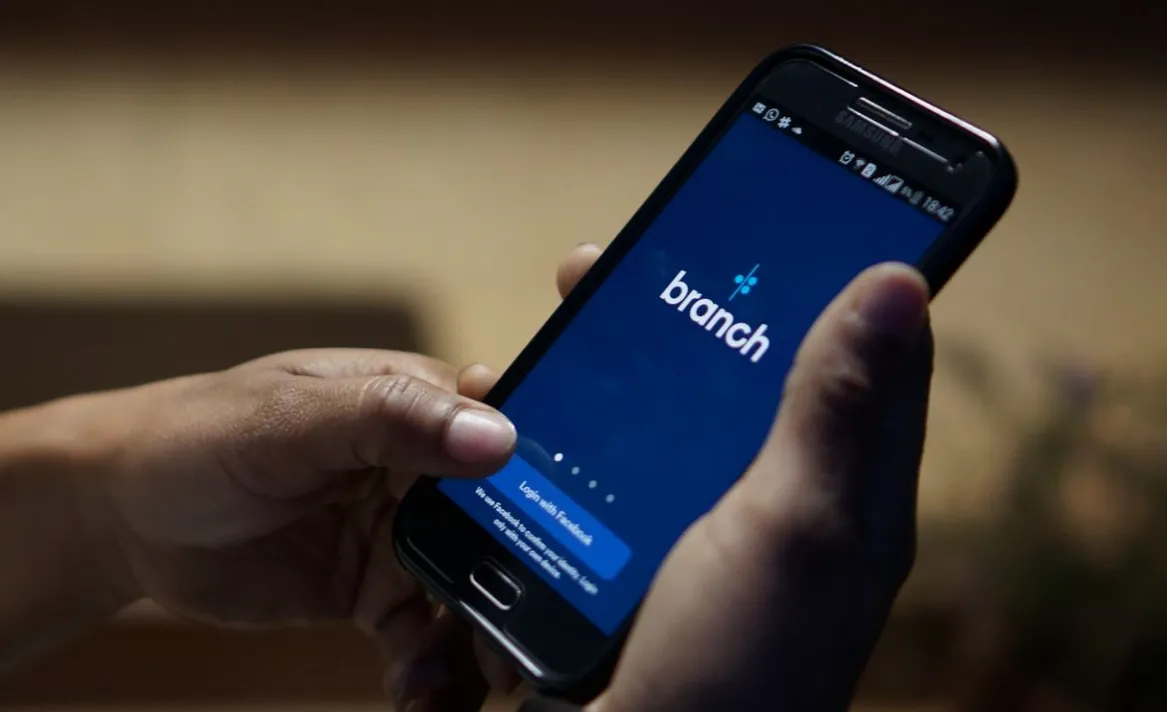
Today, the country has dozens of apps and platforms offering instant credit, such as Tala, Branch, Okash, Zenka, Fuliza (from M-Pesa), and KCB M-Pesa. These services are primarily used by informal workers, small traders, students, and people without access to traditional bank credit.
Data from the Central Bank of Kenya indicates that over 7 million Kenyans have utilized some form of digital loan, a significant number in a country with around 55 million inhabitants.
2. Types of Loans Available in Kenya
The Kenyan market offers different types of loans, each with specific characteristics:
a) Digital Loans (Mobile Loans)
These are currently the most popular. They are granted through mobile apps, with credit analysis based on data such as transaction history on M-Pesa, phone usage, bill payments, and digital behavior. Interest rates vary widely—some apps charge between 15% to 30% per month, plus late fees.
ads
Advantages:
• Speed (money deposited in minutes).
• No need for collateral or guarantors.
• Accessible even for those with a low credit score.
Disadvantages:
ads
• Very high interest rates.
• Little transparency in terms.
• Risk of overindebtedness.
b) Bank Loans
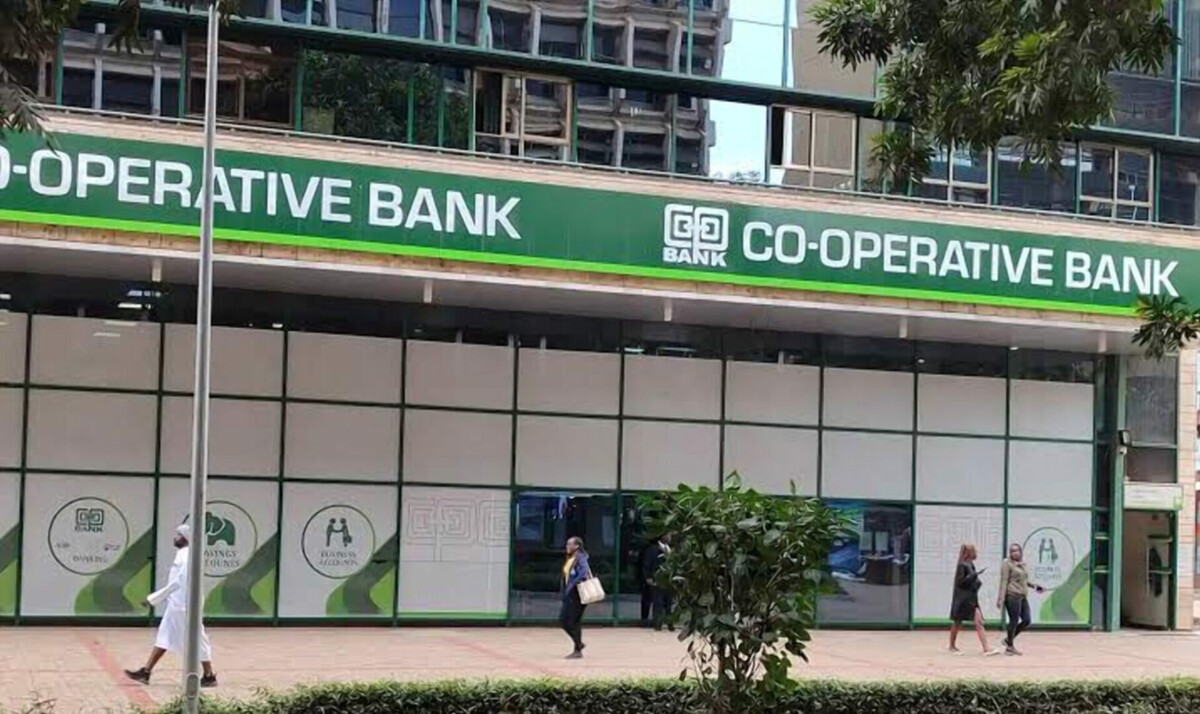
Traditional banking institutions, such as Equity Bank, KCB, Co-operative Bank, and Absa, offer credit lines with more regulated interest rates and longer terms. The process is more rigorous, involving detailed credit analysis, proof of income, and sometimes collateral.
Advantages:
• Lower interest rates than digital loans.
• More flexible terms.
• Options for personal, auto, and mortgage loans.
Disadvantages:
• More bureaucratic process.
• Frequent rejection for those without formal income.
c) SACCOs (Savings and Credit Cooperatives)
SACCOs are community credit institutions where members regularly contribute small amounts and can take loans based on their contribution history. They are very popular in rural areas and among specific worker groups, such as teachers and civil servants.
Advantages:
• Low interest rates (usually below 12% per year).
• Community support.
• Encouragement of savings.
Disadvantages:
• Limited access for non-members.
• Available amounts depend on user contributions.
d) Informal Loans (Shylocks)
These loans are provided by loan sharks (known as shylocks), usually with collateral such as phones, property titles, or vehicles. They often charge extremely high interest rates (up to 50% per month).
Advantages:
• Immediate cash.
• No bureaucracy.
Disadvantages:
• Abusive practices.
• Risk of violence or loss of property.
• No legal regulation.
Additional Section: Benefits, Challenges, and Tips for Responsible Use
Benefits of Easy Access to Credit
• Financial Inclusion: People without bank accounts can access capital.
• Microeconomic Stimulus: Small businesses use loans to restock and grow.
• Agility: Digital services provide credit in minutes, something unthinkable a decade ago.
Challenges Faced by the Population
• Growing Indebtedness: Many users take multiple loans simultaneously, creating a snowball effect.
• Lack of Financial Education: Many do not understand credit terms and compound interest.
• CRB Listing: Payment failures lead many to be negatively recorded by credit agencies, hindering future access.
Tips for Conscious Use of Credit
• Read the Terms Carefully: Check interest rates, fees, and terms.
• Avoid Personal Consumption Loans: Prefer productive uses.
• Never Use One Loan to Pay Another: This leads to a debt cycle.
• Seek SACCOs or Banks Before Unknown Apps: Prioritize regulated institutions.
• Use Reliable and Well-Rated Apps: Check reviews from other users.
Conclusion
The loan market in Kenya is dynamic and full of opportunities but also carries risks that cannot be ignored. Digitalization has brought credit to millions who were previously excluded from the banking system. However, easy and quick access can lead to irresponsible use, especially in the absence of strong financial education.
For credit to function as a lever for development—and not a trap—it is essential to have greater transparency from fintechs, effective government regulation, and ongoing efforts to educate the population on personal finance.
When used wisely, credit can be a powerful tool for transforming lives and communities. But, as with any tool, it is conscious use that determines the outcomes.
Published on 11 de June de 2025.