ads
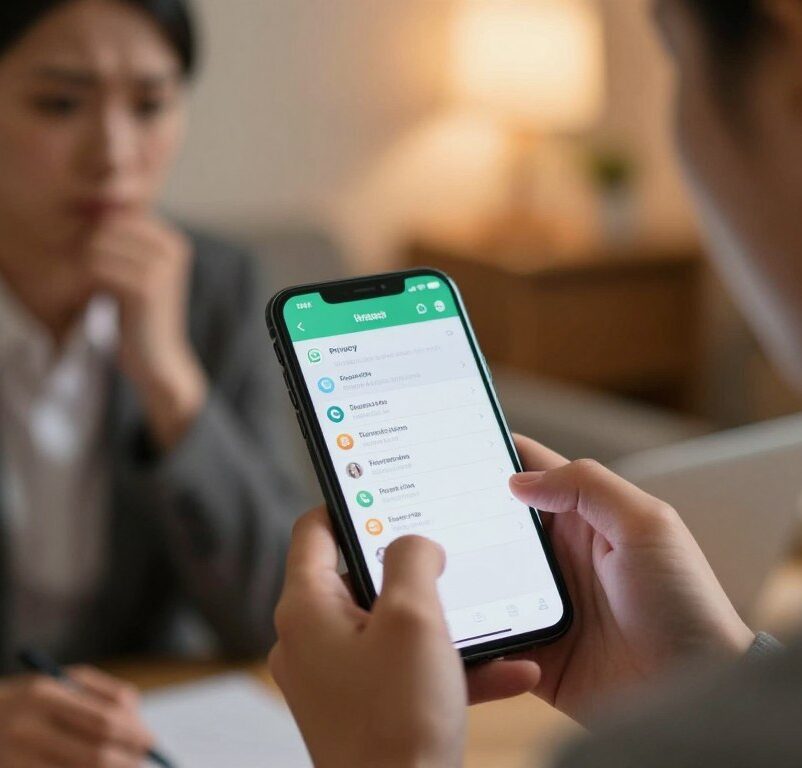
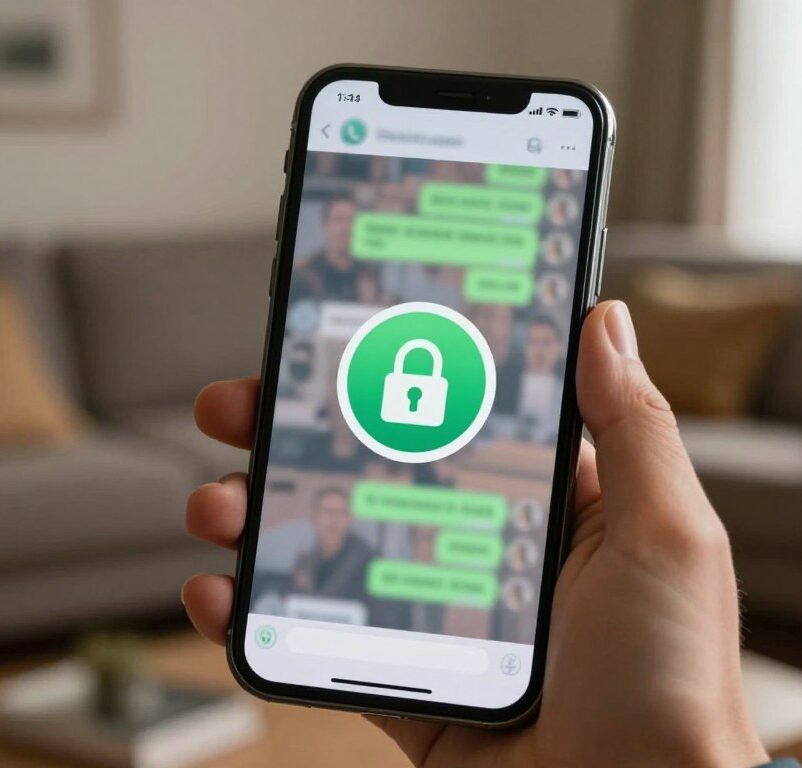
Nowadays, WhatsApp has become much more than a simple messaging app. It is an essential platform for personal, professional, and even commercial communication. With so much information circulating daily, there is a growing concern about digital security and the protection of sensitive data. Monitoring WhatsApp usage ethically and safely does not mean invading someone’s privacy but implementing strategies that protect you, your family, and your business from digital threats.
Protection on WhatsApp involves multiple layers: from securing the account itself to preventing scams and external intrusions. Many people still underestimate the risks of sharing data, photos, and conversations. Hackers and cybercriminals exploit vulnerabilities in devices and apps, making it crucial to understand how to monitor suspicious activity, identify risky behaviors, and apply preventive measures.
Moreover, both businesses and parents benefit significantly from safe monitoring. For organizations, protecting corporate information and controlling internal communication is vital to prevent leaks of confidential data. For families, especially with children and teenagers, monitoring WhatsApp usage can prevent exposure to inappropriate content and interactions with unknown contacts.
1. The Importance of Ethical Monitoring
Monitoring WhatsApp should always respect privacy and local laws. Ethical monitoring focuses on:
- Detecting suspicious activities without exposing private conversations.
- Generating alerts for unauthorized access attempts.
- Educating users about safe digital behaviors.
For companies, this means preventing data leaks and protecting clients’ and employees’ information. For families, it means keeping children and teens safe from online risks like scams, bullying, and dangerous contacts.
2. Strengthening Your WhatsApp Account
A secure account is the foundation of any monitoring strategy. Key measures include:
- Two-step verification: adds an extra layer of security.
- Strong, unique password: prevents simple hacks.
- Review connected devices: monitor for suspicious logins.
- Avoid public Wi-Fi: open networks increase attack risks.
These steps ensure that even if a device is lost or stolen, WhatsApp data remains protected.
ads
3. Recognizing Scams and Phishing Attempts
WhatsApp scams are becoming increasingly sophisticated. Fake messages can lead to:
- Theft of passwords and banking information.
- Installation of malware or viruses.
- Exposure of sensitive personal information.
Safe monitoring can identify patterns of suspicious messages and educate users to avoid clicking unknown links or downloading unsafe files.
4. Trusted Monitoring Tools
There are various safe monitoring tools designed for security purposes. They allow users to:
- Receive alerts about suspicious activity.
- Block malicious contacts.
- Generate activity reports without exposing private conversations.
Examples include parental control apps and corporate digital protection software, all developed with privacy and legal compliance in mind.
5. Corporate Monitoring: Protecting Business Data
Organizations can use safe monitoring to:
ads
- Prevent leaks of sensitive information.
- Ensure corporate data is shared only internally.
- Generate alerts for files sent outside the corporate network.
Clear WhatsApp policies help educate employees and reduce risks, while regular reports ensure communication remains secure.
6. Family Monitoring: Protecting Children and Teenagers
Parents can ethically monitor children’s WhatsApp accounts to:
- Detect interactions with strangers.
- Block inappropriate content.
- Teach safe digital behaviors.
Along with device restrictions and alerts, it is important to communicate with children about the risks of sharing personal data and images.
7. Secure Backups and Data Protection
Maintaining backups is essential, but securing them is even more critical. Tips include:
- Encrypt cloud backups.
- Use password or two-factor authentication protection.
- Avoid storing backups on vulnerable devices.
This ensures that in case of device theft or intrusion, sensitive data remains safe.
8. Regular Updates
Keeping WhatsApp and your device’s operating system up to date fixes known vulnerabilities and enhances protection against external attacks.
9. Digital Education: An Ally of Monitoring
Monitoring without digital education is incomplete. Users should learn:
- How to identify suspicious messages.
- Which links and files to avoid.
- Best practices for privacy and safe sharing.
Informed users significantly reduce the risk of attacks and scams.
10. Artificial Intelligence in Monitoring
Advanced tools now use AI to:
- Detect suspicious behavior patterns.
- Automatically alert users to risky contacts or messages.
- Prevent attacks before they occur.
This technology represents the future of WhatsApp security, making monitoring more effective and less invasive.
11. Legal and Ethical Considerations
Monitoring must always comply with local legislation, such as LGPD in Brazil or GDPR in Europe. Ethical digital practices require:
- Transparency in using monitoring tools.
- Consent when necessary (parents or guardians).
- Ensuring monitored data is not misused.
12. Future Trends in WhatsApp Security
WhatsApp will continue improving end-to-end encryption, AI integration, and automated alerts. Users and organizations will have smarter tools that focus on proactive prevention and seamless digital security.
Ethical and secure WhatsApp monitoring protects users from scams, intrusions, and exposure of sensitive data. Businesses can keep confidential information safe, while families ensure the digital safety of children and teenagers. Trusted tools, secure backups, regular updates, and digital education form the foundation of a comprehensive strategy for protection and security.