ads
In recent years, fintechs have revolutionized the financial sector in various parts of the world, and Kenya is a notable example of this transformation. With the rise of Mobile Loans, these platforms have facilitated access to credit for millions of Kenyans, especially those who previously lacked access to traditional banking services. This article aims to explore how these platforms operate, their advantages and disadvantages, and their impact on the local economy.
How Digital Credit Works
Fintechs have changed the way Kenyans access credit. Unlike traditional banks, which require physical visits and a range of documents, fintechs offer a streamlined and efficient process. Here are some key features of digital credit:
Simplified Processes
• No Physical Visits Required: Users can apply for loans directly from their smartphones, eliminating the need to visit a bank branch.
• Automatic Approval in Minutes: After application, credit analysis is conducted in minutes, and funds can be disbursed almost instantly.
• No Collateral Needed: Many fintechs do not require physical collateral, democratizing access to credit for those without assets to offer.
Alternative Data Analysis
One of the most significant innovations of fintechs is the use of alternative data for credit analysis. Instead of relying solely on traditional credit histories, these platforms consider:
• M-Pesa Usage: The popularity of the mobile payment service M-Pesa allows fintechs to analyze users’ financial behavior.
ads
• Call History: Communication patterns can indicate the financial stability and reliability of applicants.
• Geolocation: Analyzing users’ locations can help better understand their needs and behaviors.
• Recharge Frequency: The amount and frequency of mobile top-ups can indicate users’ financial health.
Major Mobile Loan Platforms
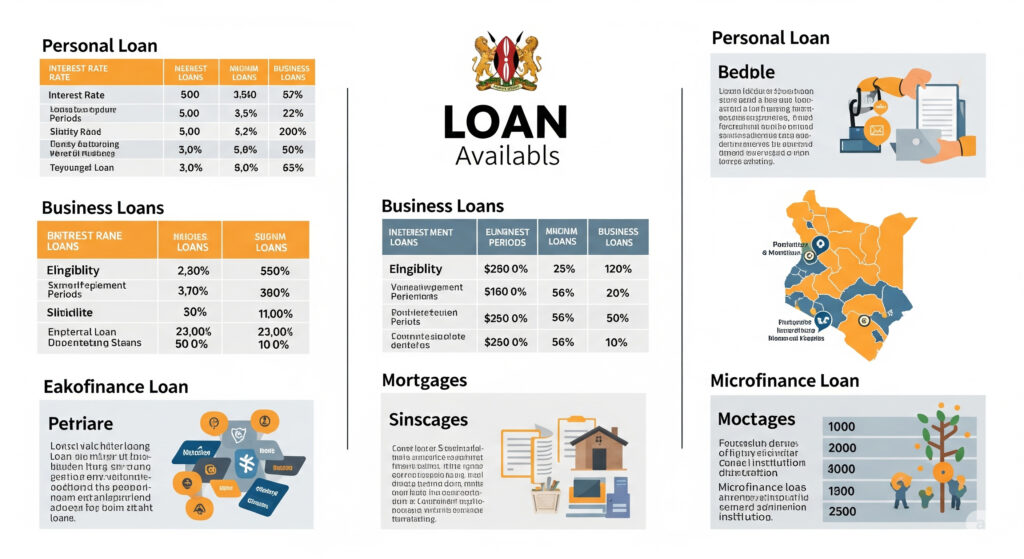
In Kenya, several fintechs offer Mobile Loan services. Here are some of the main ones:
| Fintech | Initial Limit | Interest Rate |
|---|---|---|
| Tala | KSh 500 – 50,000 | Up to 15% per month |
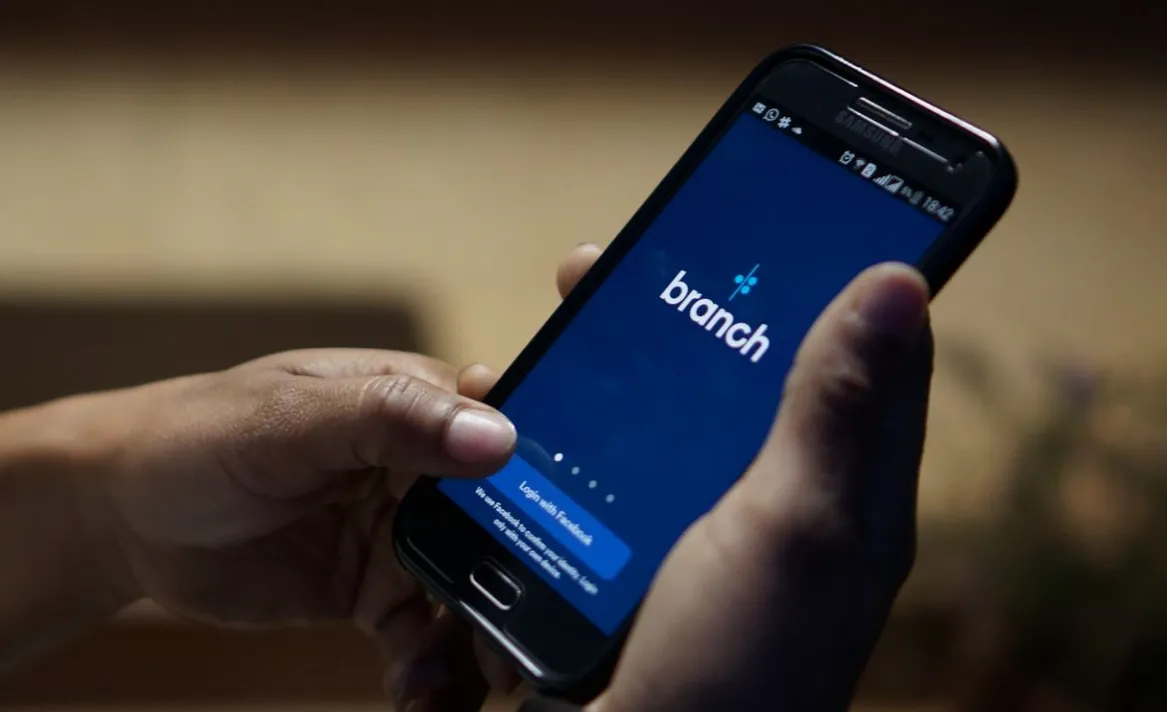
| Branch | KSh 250 – 70,000 | 13% to 17% per month |
| M-Shwari | KSh 100 – 50,000 | 7.5% fixed for 30 days |
In addition to these, other fintechs like Zenka, Okash, Haraka, and Opesa are also gaining traction in the market, each with its own features and offerings.
ads
Advantages of Digital Loans
Fintechs offer various advantages that have attracted thousands of users:
• Immediate Access: The ability to obtain credit quickly is a primary reason many turn to these platforms.
• No Collateral Required: The absence of collateral makes credit more accessible, especially for young entrepreneurs and those without assets.
• No Bureaucracy: The simplified process reduces the time and complexity involved in obtaining a loan.
• Available 24/7: Services are available at any time, allowing users to request loans as needed.
Disadvantages of Digital Loans
While fintechs offer several advantages, there are also disadvantages that users should consider:
• High Interest Rates: Rates can be significantly higher than those offered by traditional banks, potentially leading to rapid indebtedness.
• Short Repayment Terms: Many loans have short repayment periods, which can be challenging for some users.
• Late Penalties: In cases of delayed payment, penalties can be severe, further increasing the user’s debt.
Recommendations for Responsible Use
To use fintechs responsibly, some essential recommendations include:
• Use Only in Emergencies: Loans should be viewed as a solution for emergencies, not a regular source of income.
• Always Pay on Time: Making timely payments is crucial to avoid penalties and maintain a good credit history.
• Avoid Using Multiple Apps Simultaneously: Using multiple platforms can lead to a cycle of debt, making it difficult to meet financial obligations.
Future of Fintechs in Kenya
The future of fintechs in Kenya looks promising but also faces challenges. Expected trends include:
• Increased Regulation by the Central Bank: As the sector grows, greater regulatory oversight is likely to protect consumers and ensure transparency in operations.
• Setting Interest Rate Caps: Imposing limits on interest rates may help mitigate the risks of excessive indebtedness.
• Integration with Traditional Banks: Collaboration between fintechs and banks could result in more robust and accessible financial products, further benefiting consumers.
Conclusion
Fintechs are shaping the future of credit in Kenya in a way that promotes financial inclusion and agility in accessing resources. However, this new era of digital credit also comes with responsibilities. Users must be aware of the rules and conditions of loans to avoid falling into financial traps. Financial education is essential to ensure that the benefits of fintechs are fully realized without compromising individuals’ financial health. By understanding the dynamics of digital credit, Kenyans can make more informed and secure decisions, contributing to a more stable and prosperous financial future.