
ads
If you have a low credit score and feel like traditional lenders automatically reject your loan applications, you’re not alone in this frustrating situation.
Millions of people face credit challenges but still need access to funding for emergencies, debt consolidation, or important life expenses.
The good news is that having a poor credit score doesn’t mean you’re completely shut out from borrowing opportunities.
Smart strategies and alternative approaches can help you secure loans even when your credit history isn’t perfect.
Discover proven techniques that bypass traditional credit requirements and open doors to funding options you might not have considered before.
Income-Based Strategies
Highlight Multiple Income Sources by documenting all your revenue streams including full-time employment, part-time work, freelance income, rental properties, or government benefits.
Lenders often focus more on your total monthly income than your credit score when evaluating loan applications.
ads
Provide Bank Statement Loans through lenders who evaluate your financial stability based on consistent bank deposits rather than credit scores.
These alternative lenders analyze your banking history over 3-12 months to assess your ability to repay loans regardless of past credit issues.
Show Income Growth Trends by presenting documentation that demonstrates increasing earnings over recent months or years.
Even with poor credit, lenders view upward income trajectories as positive indicators of future repayment capability and financial responsibility.
Collateral and Security Methods
Offer Secured Loan Options where you pledge valuable assets like vehicles, jewelry, electronics, or savings accounts as collateral to guarantee loan repayment.
ads
Secured loans significantly reduce lender risk and often result in approval despite low credit scores.
Use Co-Signer Applications by asking trusted family members or friends with good credit to co-sign your loan application.
A co-signer with strong credit essentially guarantees your loan, making lenders much more willing to approve your request.
Consider Asset-Based Lending through platforms that focus on the value of your possessions rather than your credit history.
These lenders may accept cars, real estate equity, or other valuable items as the primary qualification criteria for loan approval.
Alternative Lending Platforms
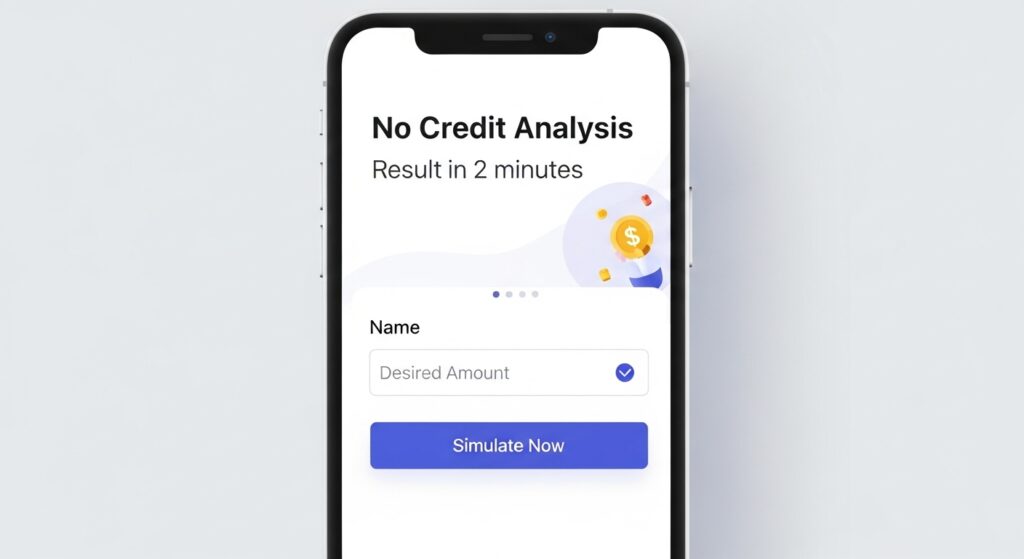
Explore Peer-to-Peer Networks where individual investors fund loans instead of traditional banks. These platforms often have more flexible credit requirements because individual lenders may be willing to take risks that banks avoid.
Apply to Online-Only Lenders who specialize in serving borrowers with challenging credit situations. Digital-first companies often use alternative data sources and more sophisticated risk assessment methods than traditional banks.
Research Credit Union Options as these member-owned institutions typically offer more personalized service and flexible lending criteria compared to large commercial banks.
Credit unions often consider your entire financial picture rather than focusing solely on credit scores.
Application Optimization Techniques
Apply for Smaller Loan Amounts initially to increase your approval odds, as lenders view smaller loans as less risky even for borrowers with poor credit.
Successfully repaying a small loan can also help rebuild your credit for future larger borrowing needs.
Choose Shorter Repayment Terms when possible, as brief loan periods reduce lender exposure to risk and demonstrate your commitment to quick repayment.
Many lenders prefer 12-24 month terms for borrowers with credit challenges.
Submit Multiple Applications Strategically by spacing out your loan applications over several weeks to minimize credit score impact while maximizing your chances of finding an approving lender.
Focus on lenders who specialize in your specific credit score range.
Building Lender Relationships
Establishing personal connections with local lenders can significantly improve your chances of loan approval despite credit challenges.
Visit community banks and credit unions in person to explain your situation and demonstrate your commitment to responsible borrowing and repayment.
Many smaller financial institutions value long-term customer relationships over strict credit score requirements.
By opening checking or savings accounts and maintaining positive banking relationships, you create opportunities for future lending consideration.
Consider working with loan officers who can advocate for your application internally and help present your case in the most favorable light possible to lending committees.
Improving Your Approval Odds
Timing your loan applications strategically can make a significant difference in approval rates. Apply during times when lenders are more actively seeking new business, such as end-of-quarter periods when institutions need to meet lending goals.
Prepare comprehensive documentation that tells your complete financial story beyond just credit scores. Include explanation letters for past credit issues, proof of stable employment, and evidence of improved financial management to strengthen your application.
Research each lender’s specific requirements and tailor your application accordingly. Some lenders focus on debt-to-income ratios, others prioritize employment stability, and understanding these preferences helps you highlight your strongest qualifications.
Frequently Asked Questions
What credit score is considered too low for most loans?
While requirements vary by lender, credit scores below 580 are generally considered poor by most traditional lenders.
However, many alternative lenders and specialized platforms accept borrowers with scores as low as 500 or even consider applications without minimum score requirements.
Can I get a loan with no credit history at all?
Yes, several lenders specialize in serving borrowers with limited or no credit history. These lenders often focus on income verification, employment stability, and banking history rather than traditional credit scores to make lending decisions.
How much higher are interest rates for low credit score loans?
Interest rates for poor credit loans typically range from 15-35% APR compared to 6-15% for good credit borrowers.
However, rates vary significantly based on loan amount, term length, and specific lender policies, so shopping around is essential.
Will applying for multiple loans hurt my credit score further?
Multiple loan applications within a short period can temporarily lower your credit score by a few points.
However, credit scoring models typically count multiple similar inquiries within 14-45 days as a single inquiry when rate shopping for the same type of loan.
How can I rebuild my credit while paying off a high-interest loan?
Make all loan payments on time, keep credit card balances low, avoid taking on additional debt, and consider becoming an authorized user on someone else’s account with good payment history
These strategies can gradually improve your credit score over time.