ads
Having a cell phone is no longer just a convenience—it is a necessity for work, education, communication, and access to essential services. Many low-income individuals and families struggle to afford the cost of devices or phone plans.
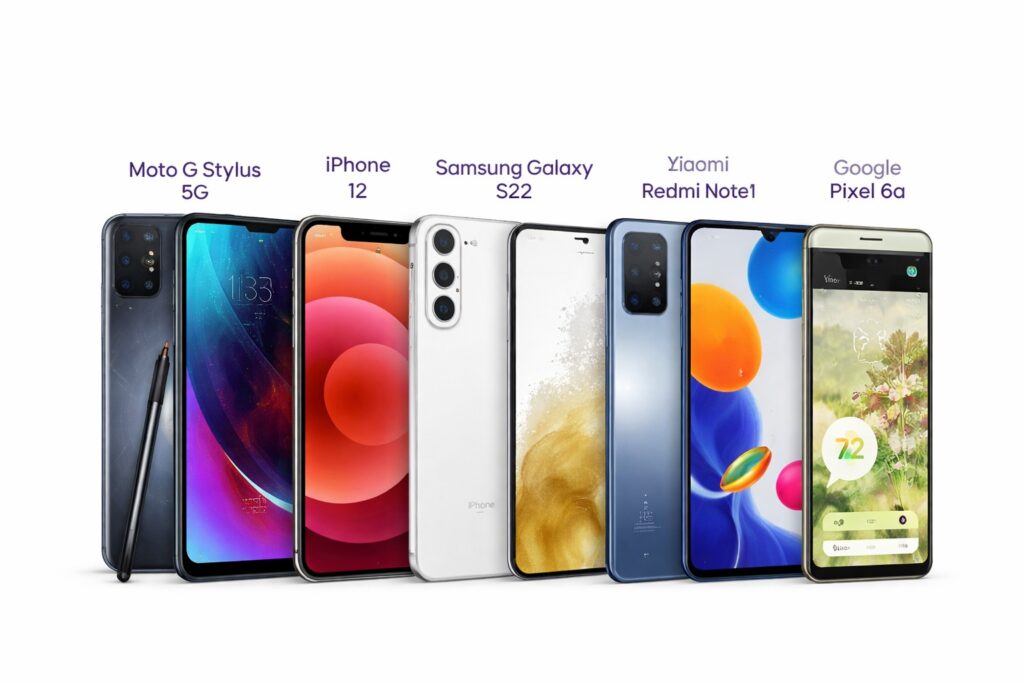
Lifeline is a federal initiative that provides significant monthly discounts on phone and internet services, allowing families and individuals to stay connected to job opportunities, education, and public services. Many carriers use this benefit to offer free or low-cost smartphones, making connectivity more accessible.
This guide will show who can participate, how to apply, what documents are needed, how to choose the best carrier, how to keep the benefit active, and tips to avoid problems. We will also explore how the program connects with federal and state policies, ensuring security and transparency.
Lifeline is more than just a discount: it represents digital inclusion, access to basic services, and equal opportunities for low-income families. For many, having a phone with an active plan means access to online jobs, distance learning courses, telehealth, and communication with public agencies.
With the growing digitization of public and private services, being disconnected can mean missing important opportunities. Understanding how Lifeline works and how to maximize its benefits is essential for anyone who wants to stay connected.
What Lifeline Really Offers
Lifeline is a federal assistance program, overseen by the Federal Communications Commission (FCC), that provides discounts on phone and internet plans for low-income families. Its goal is to ensure everyone has access to basic communication, regardless of income.
Although many see ads for “free phones,” the program itself does not automatically provide a device. What it guarantees is a service discount, and many carriers combine this with smartphone promotions, either new or refurbished.
ads
- The discount is applied directly to your monthly bill, reducing the cost of phone or internet service.
- Some devices may require a small payment or installment plan, depending on the model and promotion.
- The main focus is ensuring reliable service, with the phone as an additional benefit.
Lifeline also encourages technologies that promote digital inclusion, such as smartphones with educational apps, communication tools, and access to online health services.
Why Lifeline Is So Important Today
Lifeline has become even more relevant after the Affordable Connectivity Program (ACP) ended in 2024, which provided additional internet discounts. Now, Lifeline is the main federal option for continuous monthly discounts on phone and internet, especially for low-income families.
The program is monitored by federal and local agencies, ensuring rules are uniform, transparent, and citizen-focused. Data shows Lifeline has already helped over 10 million Americans, reducing digital exclusion and improving participation in essential online services.
Who Can Participate
Eligibility is based on federal criteria and recognized social programs, including:
- Household income at or below 135% of Federal Poverty Guidelines
- Participation in programs such as SNAP, Medicaid, SSI, Public Housing, or veterans’ benefits
- Survivor or veterans’ pension benefits
It’s important to note that only one benefit is allowed per household, so your registration must accurately reflect family composition. When multiple people share a home but do not share finances, they may be considered separate households.
ads
Required Documents
To speed up approval, gather all documents before submitting your application:
- Government-issued ID (driver’s license, passport, or ID card)
- Proof of current address
- Proof of income if qualifying by income
- Proof of participation in social programs like SNAP or Medicaid
- Last four digits of SSN or tribal ID if you don’t have an SSN
Scan all documents clearly and keep copies, as they may be requested again.
How to Apply
- Check your eligibility using the Lifeline National Verifier, a federal system that verifies criteria automatically.
- Choose a participating carrier in your area using the official tool.
- Complete registration with the carrier to activate service.
- If there’s a phone offer, select the device during registration.
- Monitor approval and submit additional documents if requested.
The process is overseen by federal agencies to ensure that only qualified applicants receive the benefit.
Free Phones: What “Free” Really Means
- Free phone offers are usually tied to the Lifeline service discount.
- Some devices may be refurbished, while others are basic new models.
- Availability varies by stock and can change throughout the year.
Many providers allow you to bring your own device (BYOD) and still receive the discount, keeping your apps, photos, and preferences intact.
Choosing the Best Carrier
Compare providers in your area focusing on:
- Network coverage and signal strength
- High-speed data limits and post-limit speeds
- Hotspot availability and customer support
- Device condition (new or refurbished)
Avoid relying on third-party ads; always use official Lifeline resources for safety.
Keeping the Benefit Active
- Use the service at least once every 30 days.
- Complete annual recertification, as required by federal rules.
- Follow the one-benefit-per-household rule to avoid duplicate registrations.
Additional Benefits and Money-Saving Tips
- Combine Lifeline with public or community Wi-Fi to save data.
- Use free messaging and video call apps to reduce costs.
- Take advantage of carrier promotions for phone upgrades at no extra cost.
- Lifeline helps ensure access to online public services, such as education, telehealth, and federal agency consultations.
Safety and Fraud Prevention
- Avoid websites requesting advance payments or gift cards.
- Use only the National Verifier and official Lifeline resources.
- Keep all documents and account information secure.
The Lifeline program is a vital federal resource that ensures low-income families and individuals have access to free or subsidized phones and internet services. By following all steps—eligibility verification, document submission, carrier selection, and active use—you can secure reliable connectivity.
Beyond providing phones and internet, Lifeline promotes digital inclusion, reduces inequalities, and connects citizens to jobs, education, and essential services, demonstrating how public programs can directly improve lives.