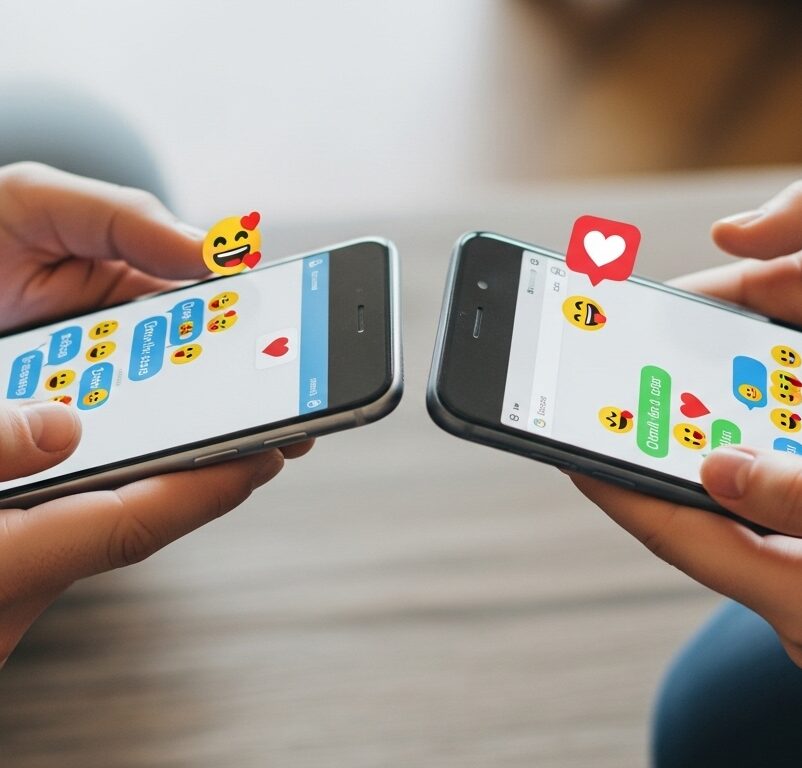
If you have ever opened a dating app and felt lost within the first minute, you are far from alone.
By clicking, you will remain on the same site.
Millions of single people in the United States download one of these apps every month, yet very few understand what is actually happening behind the screen. The matches, the suggestions, the little notifications that pull you back in, none of it is random. Once you understand how the system works, you stop guessing and start making the app work for you.
This guide breaks it down in plain language. No jargon, no hype, just a straight explanation of what dating apps do, why they behave the way they do, and how to figure out which one deserves your time.
The basic idea behind every dating app
At their core, all dating apps try to solve one problem. They want to connect two people who are likely to be interested in each other, and they want to do it faster than real life ever could. To do that, every app collects information about you. Some of it you give on purpose, like your age, your location, your photos and a short description of yourself. Some of it is gathered quietly, like how long you look at a profile before swiping, who you message, and who you ignore.
All of that data feeds a matching system. The app looks for patterns. If you keep liking profiles with a certain style of photo or a certain set of interests, the system notices and shows you more people like that. This is why two users on the same app can have completely different experiences. The app is not the same for everyone. It slowly shapes itself around your behavior.
Why the apps feel so different from one another
People often assume that all dating apps are basically the same thing with a different logo. In reality, each one is built around a different promise, and that promise changes who you meet and how.
- Swipe-first apps focus on speed and volume. You see a lot of profiles quickly and make fast decisions. These are great for meeting many people but can feel shallow if you want something serious.
- Profile-first apps slow things down. They show fewer people but ask you more questions, so matches tend to share more in common. These tend to attract users looking for a real relationship.
- Niche apps are built for a specific group, such as singles over fifty, people of a certain faith, or those who share a lifestyle. Fewer users, but far more relevant ones.
Knowing which category an app belongs to tells you most of what you need to know before you even sign up.
Not sure which type fits you best? Take a short look at the apps that match your goals.
What the algorithm actually rewards
Here is something most people never realize. Dating apps reward activity. The more you log in, respond to messages and complete your profile, the more the system tends to show your profile to others. A half finished profile with one blurry photo sends a quiet signal that you are not very active, so the app shows you to fewer people.
This does not mean you need to be glued to your phone. It means a complete, honest and recently updated profile will almost always outperform a rushed one. Add several clear photos, write a few genuine sentences about yourself, and answer the prompts the app offers. These small steps change how visible you are far more than most users expect.
The hidden cost of free apps
Almost every major dating app is free to download and free to use at a basic level. The companies make money in two main ways. The first is premium subscriptions that unlock features like seeing who liked you or getting a boost in visibility. The second is advertising. This is normal and not a reason to avoid an app, but it helps to know it. When an app constantly nudges you toward a paid upgrade, that is the business model at work, not a sign that you cannot succeed for free. Plenty of people meet their partner without ever paying a cent.
How to choose the right one for you
Instead of downloading five apps at once and spreading yourself thin, start by answering one honest question. What are you actually looking for right now? Your answer points you straight to the right category.
- If you want to date casually and meet a lot of new people, a swipe-first app is a natural fit.
- If you want a serious relationship, choose a profile-first app that asks deeper questions.
- If you belong to a specific community or age group, a niche app will save you a huge amount of time.
Pick one app, give it a complete profile, and use it consistently for a few weeks before you judge it. Jumping around rarely works. Commitment to one platform, even for a short trial, gives the matching system enough information to actually help you.
The bottom line
Dating apps are not magic and they are not a scam. They are tools, and like any tool, they work best when you understand how they operate. Once you know that the app learns from your behavior, rewards an active and complete profile, and is built around a specific promise, you can stop feeling frustrated and start getting real results. The right app for you is the one that matches what you genuinely want, not the one with the loudest advertising.
Take a few minutes to think about your goals, then choose the platform that was built for them. That single decision will do more for your dating life than any clever opening message ever could.
By clicking, you will remain on the same site.